
Child Behaviour
Welcome to Child Behaviour — a calm, trusted space for parents navigating the ups and downs of early childhood behaviour. Whether you’re dealing with tantrums, biting, big emotions, sleep struggles or challenges at childcare, you’ll find clear, practical guidance grounded in child development and written in plain, reassuring language.
Every behaviour has a reason, and every child deserves support that helps them feel safe, understood, and connected. Our goal is to help you make sense of what’s typical, what’s tricky, and what can help — with age-by-age guides, gentle behaviour strategies, and expert-backed explanations of why children act the way they do.
Here, you’ll find the tools and confidence to support your child through the early years with calm, clarity and compassion.
What Might Be Driving Behaviour?
Not every behaviour is about “naughtiness” or defiance. Sometimes children are showing us that they are overwhelmed, struggling with transitions, needing connection, or finding a situation hard to manage. Use our free parent reflection tool to explore common behaviour patterns and get practical, everyday support ideas to try at home.
Child Behaviour Guides
Explore our complete range of child behaviour guides, organised into clear, easy-to-navigate clusters that help you find exactly what you need. From toddler tantrums to preschool social skills, sleep struggles to sibling conflict, each guide breaks down common challenges into calm, practical steps grounded in child development. Whether you’re looking for age-based behaviour insights, gentle discipline tools, or support for childcare-related concerns, these guides give you the reassurance, clarity and confidence to understand what’s happening — and what truly helps.
How Our Child Behaviour Guides Are Structured
Each topic on this site is designed to go beyond surface-level advice. Alongside clear explanations, age-appropriate examples and practical guidance, every page includes a dedicated section that explores what the behaviour is teaching, communicating, building or supporting beneath the surface. These sections explain the developmental purpose behind behaviours — helping you understand why they happen, not just how to respond.
By viewing behaviour through a developmental lens, the guides focus on long-term skill building, emotional regulation and realistic expectations, rather than quick fixes or punishment-based approaches.
Helping children manage big feelings with confidence.
Tantrums and Emotional Regulation
Tantrums aren’t misbehaviour — they’re a child’s way of coping when emotions feel too big to handle. Here you’ll find age-specific guides, strategies for calming meltdowns, and simple tools to strengthen your child’s emotional regulation skills. Discover how to support your child through overwhelming moments while building long-term resilience.
Read more about Tantrums and Emotional Regulation
Tantrums and Emotional Regulation Topics:
Understanding why young children lash out — and how to respond calmly.
Biting and Aggressive Behaviours
Biting, hitting, pushing and other sudden behaviours are common in early childhood, especially when children can’t yet express big feelings with words. This section helps parents understand the reasons behind these behaviours and offers gentle, practical responses that support both safety and emotional growth. Learn why these actions happen — and what really works to reduce them.
Read more about Biting and Aggressive Behaviours
Biting and Aggressive Behaviour Topics
Making goodbyes and big changes feel safe and predictable.
Separation Anxiety and Transitions
Many toddlers struggle with goodbyes, new environments, or changes to routine. This section explains why separation anxiety happens and how to help your child feel secure during drop-offs, transitions, and new experiences. You’ll find gentle techniques to ease anxiety and build your child’s confidence over time.
Read more about Separation Anxiety and Transitions
Separation Anxiety and Transition Topics
Guiding children as they learn to play, share, and solve problems together.
Social skills develop gradually as children learn to interact, negotiate and build friendships. From sharing to conflict resolution, this section explores the building blocks of positive peer relationships. Get practical ideas to support your child as they learn cooperation, empathy, and communication through everyday play.
Read more about Social Development and Skills
Social Development and Skills Topics
Navigating everyday challenges with calm, predictable routines.
Home and Daily Routine Behaviour
Bedtime battles, morning resistance and toilet setbacks are a normal part of growing up. This category focuses on the behaviours parents face at home, offering clear guidance for building routines that reduce stress and increase cooperation. Explore strategies that make daily life smoother for the whole family.
Read more about Home and Daily Routine Behaviour
Home and Daily Routine Behaviour Topics
Practical strategies that strengthen connection and guide behaviour gently.
Parenting Tools and Behaviour Support
Effective behaviour support starts with understanding, connection and consistency. Here you’ll find positive behaviour tools, calm-down strategies, communication scripts and guidance for setting healthy boundaries. These approaches help children feel safe, supported, and ready to learn new skills.
Read more about Parenting Tools and Behaviour Support
Parenting Tools and Behaviour Support
What to expect in early learning settings — and how educators support behaviour.
Behaviour can look different in childcare than at home. This section explains how educators manage challenges, document incidents, and communicate with families. Learn what high-quality behaviour support looks like in early learning environments and how to work together with your child’s centre.
Read more about Behaviour in Childcare
Behaviour in Childcare Topics
A clear look at what’s typical — and what’s tricky — at every stage.
Children grow rapidly during the early years, and behaviour shifts just as quickly. These age-by-age guides help you understand what’s developmentally expected, what challenges often appear, and how to support your child through each stage. Use these summaries to navigate milestones with confidence.
Read more about Age-by-Age Behaviour Guides
Age-by-Age Behaviour Topics
Child Behaviour Blogs
- ADHD and the Developing Brain: What’s Really Different in Children
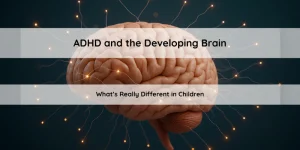 When a child has ADHD, their behaviour is shaped by how their brain processes information and regulates emotions and impulses. This article explains what is happening beneath the surface, using neuroscience and developmental psychology to help parents better understand and support their child.
 - Signs of Anxiety in Young Children That Are Easy to Miss
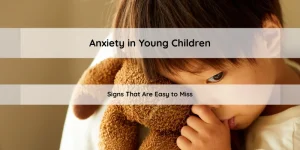 Anxiety in young children doesn’t always look like fear or worry. Often, it shows up as irritability, clinginess, physical complaints, sleep struggles, or sudden behaviour changes that are easy to misinterpret. Because young children can’t always explain what they’re feeling, anxiety is expressed through their bodies and behaviour instead. Understanding these subtle signs helps parents respond with support rather than frustration—and address anxiety early, before it becomes more entrenched.
 - ADHD Symptoms in Children – What Parents Often Notice First
 ADHD symptoms don’t always look like hyperactivity. This guide explains how attention differences, emotional intensity and inconsistency commonly show up in everyday childhood behaviour.
 - The Power of Showing Up – How Being Present Shapes Your Child’s Brain, Relationships and Emotional Future
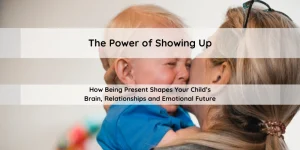 Based on the work of Daniel Siegel and Tina Payne Bryson, this article explores why showing up — through safety, presence and emotional attunement — has a powerful impact on a child’s brain development and lifelong resilience.
 - Why Does My Child Have Tantrums and Meltdowns? Understanding Emotional Regulation
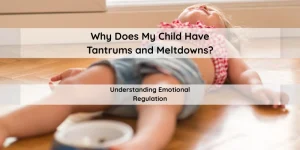 Tantrums and meltdowns are not bad behaviour — they’re signs of emotional overload. Learn why they happen and how to support a child through big feelings.
 - Attachment Theory – A Parent-Friendly Guide
 Attachment Theory explains how children form emotional bonds with caregivers and why these relationships influence confidence, behaviour and resilience. This guide offers an easy, research-based overview for parents.
Child Behaviour – FAQs
Q: Why do toddlers have tantrums?
A: Tantrums happen when toddlers feel overwhelmed and don’t yet have the language or emotional skills to express themselves. Fatigue, hunger, overstimulation and changes in routine often make big emotions harder to manage.
Q: Why does my child bite or hit?
A: Biting and hitting are common in early childhood. Young children often lash out when they’re frustrated, excited, seeking attention or unable to communicate their needs. With support and modelling, these behaviours fade as language and emotional regulation improve.
Q: How do I know if a behaviour is normal for my child’s age?
A: Most behaviours follow predictable developmental patterns. Age-by-age guides help you understand what’s typical, what’s a sign of emotional overwhelm and when further support may be helpful. If behaviour is affecting daily life, checking in with a GP or child health nurse can be reassuring.
Q: What should I do about challenging behaviour at childcare?
A: Start with open communication. Ask educators what they’re seeing, how incidents are managed and how you can work together to support your child. Many childcare behaviours relate to routine changes, overstimulation or adjusting to group environments.
Q: How can I help my child regulate their emotions?
A: Children learn emotional regulation through calm connection with adults. Naming feelings, offering comfort, modelling coping skills and keeping routines predictable all help build long-term emotional resilience.
Q: When should I worry about my child’s behaviour?
A: Behaviour may need further support if it’s severe, persistent, causing harm or paired with delays in communication, social interaction or sensory processing. Trust your instincts—if something feels “not quite right”, seeking guidance can provide clarity.
Child Behaviour Australia is proudly part of Child Care Guide
Reviewed and updated: 15 May 2026