Why Does My Child Have Tantrums and Meltdowns? Understanding Emotional Regulation
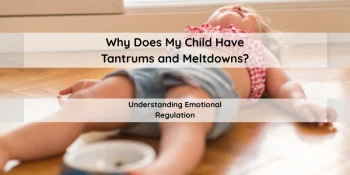
Tantrums and meltdowns are not bad behaviour — they’re signs of emotional overload. Learn why they happen and how to support a child through big feelings.
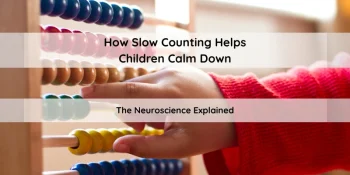

During a meltdown, a child’s emotional brain can hijack their thinking brain, making it impossible to “just calm down.” Slow counting — especially while handling objects like coins or blocks — helps interrupt this amygdala hijack and gently bring executive control back online.
When children are given too many choices, their brains can feel as overwhelmed as we do standing in front of a supermarket cereal wall. This “choice overload” can fuel anxiety and meltdowns — but offering small, bounded choices can restore a sense of safety and control.