Why Does My Child Have Tantrums and Meltdowns? Understanding Emotional Regulation
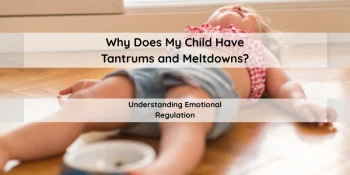
Tantrums and meltdowns are not bad behaviour — they’re signs of emotional overload. Learn why they happen and how to support a child through big feelings.
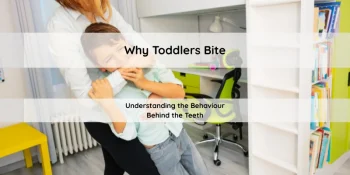
Toddlers bite for many reasons — from limited language and big emotions to sensory needs and impulse control. This guide explains the real causes behind biting and how to respond calmly and effectively.
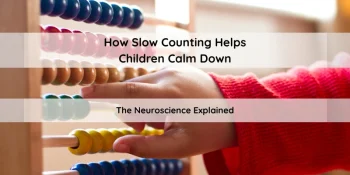
During a meltdown, a child’s emotional brain can hijack their thinking brain, making it impossible to “just calm down.” Slow counting — especially while handling objects like coins or blocks — helps interrupt this amygdala hijack and gently bring executive control back online.
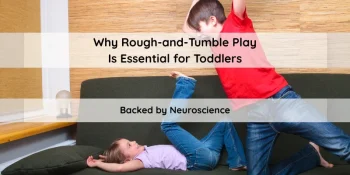
Rough-and-tumble play isn’t “bad behaviour” — it’s brain-building. Wrestling, chasing and climbing activate deep mammalian play circuits described by Jaak Panksepp, helping toddlers develop social skills, emotional regulation, resilience and a stronger bond with their caregivers.